

Written with input from R&R Foundation Specialist’s Ohio foundation repair team
If you are searching for foundation repair in Columbus, Ohio, chances are you have noticed something that doesn’t feel quite right in your home. Small changes like a new crack or a sticking door can be easy to brush off, but they can also be early warnings. At R&R Foundation Specialist, we help homeowners across Columbus and Central Ohio identify problems early and protect the safety and long-term value of their homes.
Why Foundation Problems Are Common in Columbus
Central Ohio homes deal with conditions that put extra stress on foundations over time. Knowing what is normal for this region, and what is not, matters when you are deciding what to monitor and what to address.
Common local factors include:
- Clay-heavy soils that expand when wet and shrink when dry
- Seasonal freeze-thaw cycles that shift soil and add pressure to walls
- Heavy rain and drainage issues that saturate soil near the foundation
- Aging housing stock in many Columbus neighborhoods with older basements and footings
- Poor grading or downspout discharge that concentrates water where you do not want it
1. Stair Step Cracks in Brick or Block
Stair step cracks often appear in brick veneer or concrete block walls, following the mortar joints in a step-like pattern. In Columbus-area homes, this can be a sign that part of the foundation is settling unevenly as soil expands and contracts. One small crack might not be urgent, but cracks that widen, spread, or appear alongside other symptoms should be evaluated.
2. Horizontal Cracks in Basement Walls
Horizontal cracks are a red flag because they often point to pressure pushing inward on the wall. In Central Ohio, saturated soil and freeze thaw changes can increase lateral pressure on basement walls, especially in block foundations. If you see a long horizontal crack, even if it’s hairline, it’s worth taking seriously because it can be a sign the wall is starting to bow.
3. Vertical Cracks in Foundation Walls
Vertical cracks are common in poured concrete foundations, and not all of them signal a major problem. The key is change over time. If a vertical crack is widening, letting water in, or paired with uneven floors or sticking doors, it may indicate movement or settlement that needs attention. A professional inspection can help determine whether it is cosmetic, water-related, or structural.
4. Doors & Windows That Stick or Won’t Latch
When doors and windows suddenly start sticking, dragging, or refusing to latch, the issue isn’t always the frame or hardware. It can be a sign the structure has shifted slightly, changing the shape of openings. This is often seen with foundation settlement or movement. Pay attention if multiple doors or windows in different areas of the home show the same issue.
5. Sloping or Uneven Floors
Floors that slope, dip, or feel bouncy can be tied to movement in the foundation or support system below. In some Columbus homes, you might notice a gradual slope toward one side of the house or a low spot that seems to grow over time. Uneven floors can also point to moisture-related issues affecting crawl spaces or basement supports.
6. Gaps Around Windows, Doors, or Trim
Gaps that appear where walls meet trim, or where door and window frames meet drywall, can be subtle but telling. As a foundation shifts, the house can settle in ways that create separation at joints. If you are seeing new gaps, gaps that are growing, or trim that is pulling away, document it and have it reviewed by a local professional.
7. Bowed or Leaning Basement Walls
A basement wall that looks like it’s curving inward is more than a cosmetic issue. Bowing can happen when soil pressure outside the wall increases beyond what the wall can resist. In Central Ohio, this is often tied to water-saturated soil and seasonal cycles that repeatedly load the wall. Bowing walls should be assessed quickly because the longer movement continues, the more complicated repairs can become.
8. Water Intrusion or Recurring Dampness in the Basement
Water in the basement is not just a nuisance, it can be a signal that conditions around your foundation have changed. Persistent dampness, musty odors, white chalky residue on walls, or recurring puddles after rain can indicate poor drainage, hydrostatic pressure, or cracks that are allowing seepage. Moisture also increases the risk of mold and can contribute to foundation wall stress over time.
9. Cracks in Drywall or Interior Ceilings
Interior cracks often show up first around door frames, windows, and ceiling corners. You might see straight cracks, spreading “spider” cracks, or cracks that keep coming back after patching. While drywall cracks can come from normal house settling, cracks that are new, growing, or paired with structural symptoms like uneven floors or exterior masonry cracks should not be ignored.
10. Separation Between the Chimney, Porch, or Steps & the House
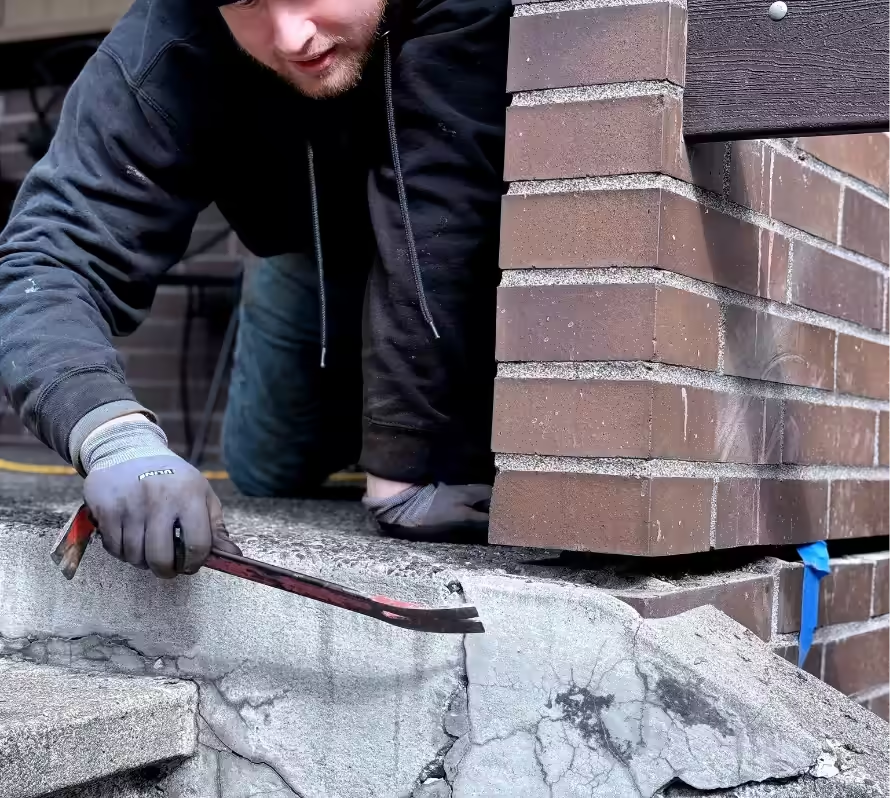
When you see a gap forming where a chimney, front porch, or concrete steps meet the house, it can indicate that the structure and the adjacent element are moving differently. For example, a porch slab can settle separately from the main foundation, or one section of foundation can shift while another stays put. This type of separation is often visible from the outside and is a strong reason to schedule an inspection.
FAQs About Foundation Repair
How long does a foundation inspection take?
Most inspections can be completed in about an hour, depending on the home’s layout and how accessible the basement or crawl space is.
Do foundation problems always mean you need major repairs?
No. Some issues can be monitored or addressed with targeted solutions, especially when caught early before movement progresses.
Will foundation repairs disrupt daily life in the home?
In many cases, you can remain in the home during repairs. The level of disruption depends on the repair method and where access is needed.
Should I get an inspection before buying a home in Columbus?
Yes, especially in neighborhoods with older housing stock or if the listing mentions previous water issues, wall cracks, or “settling.”
What To Do If You Notice Signs of Foundation Damage
If you have noticed one or more of these warning signs, the next step is simple: schedule a professional foundation inspection. At R&R Foundation Specialist, we take a prevention-first approach. We help you understand what is happening, what is urgent, and what can be planned, so you can make confident decisions for your home.
Local experience matters here. Columbus and Central Ohio foundation issues are often tied to clay soils, water management, and seasonal freeze thaw cycles, and the right fix depends on understanding those conditions. If you are looking for foundation repair in Columbus, our team is ready to protect your home’s safety, structural stability, and long-term value with solutions that fit both the problem and the property.